Educational Farm Visits in Phuket: A Planning Guide
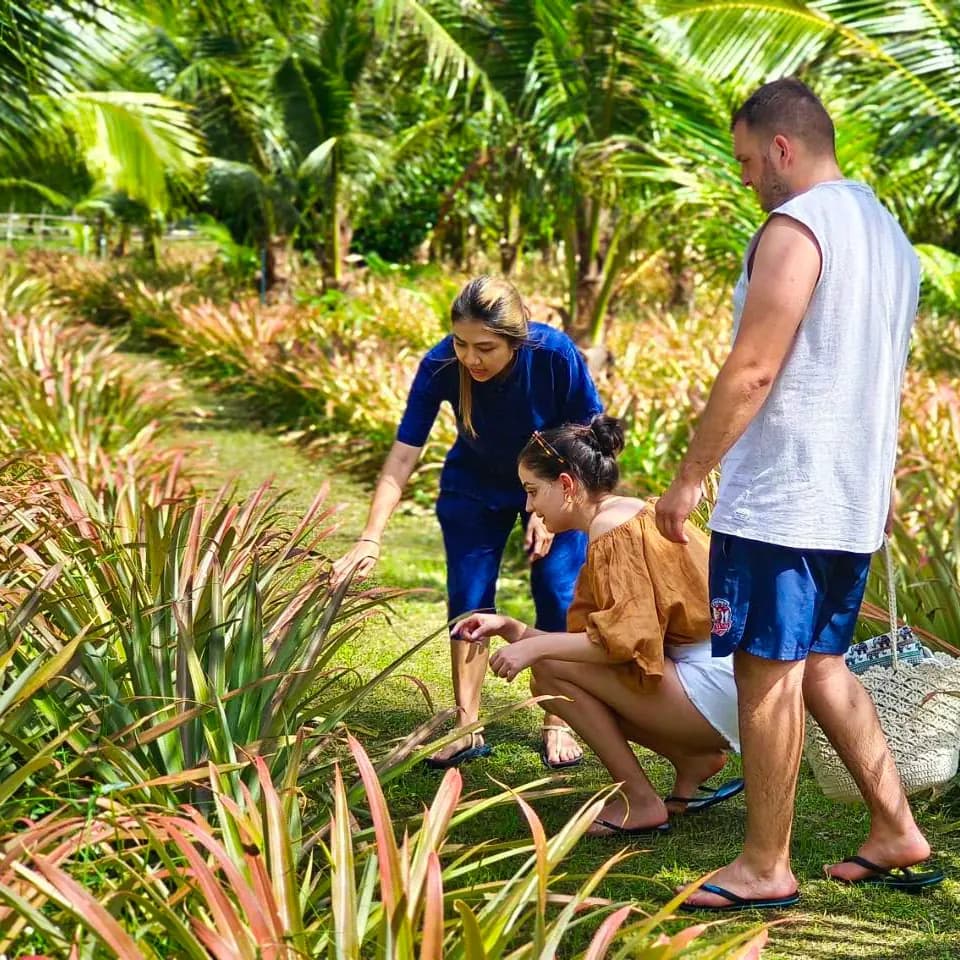
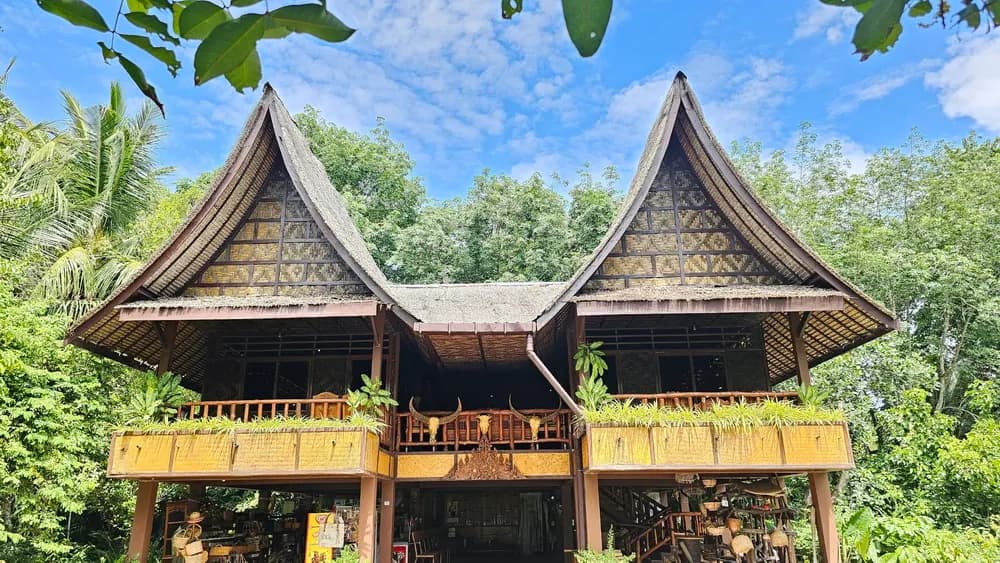
An educational visit to Old Phuket Farm can connect classroom topics with demonstrations of rice farming, rubber processing, tin panning, and food preparation. Start with the age of your group and two or three learning goals, then ask the farm team which activities and arrangements fit your visit.
Why Educational Tours Matter
A practical activity gives a group something concrete to discuss afterward. For example, planting seedlings can lead to questions about where rice grows, how it is harvested, and how it reaches a kitchen.
Agricultural Education
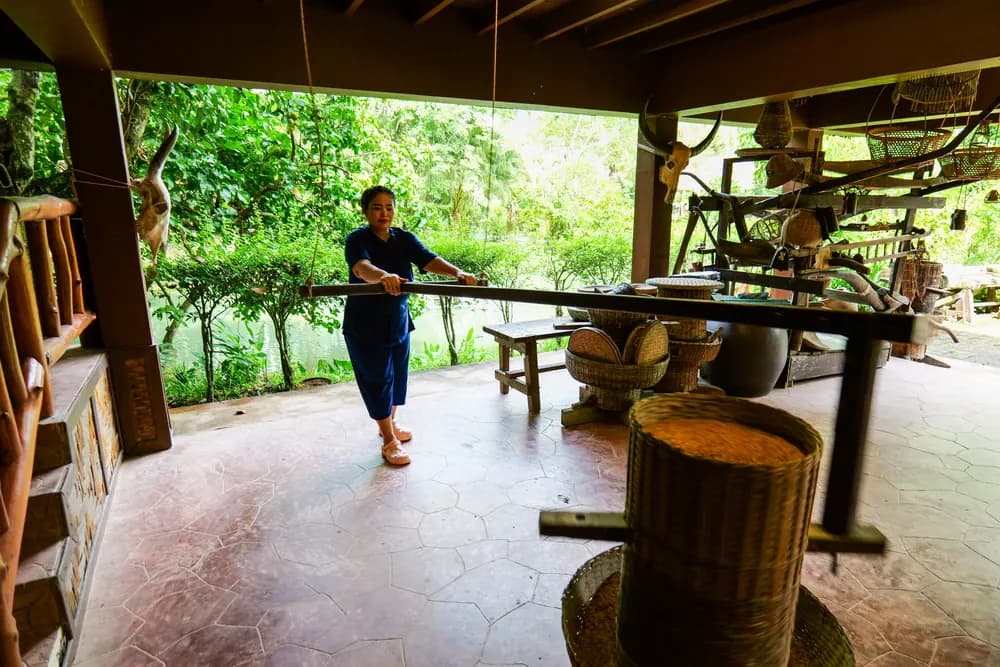
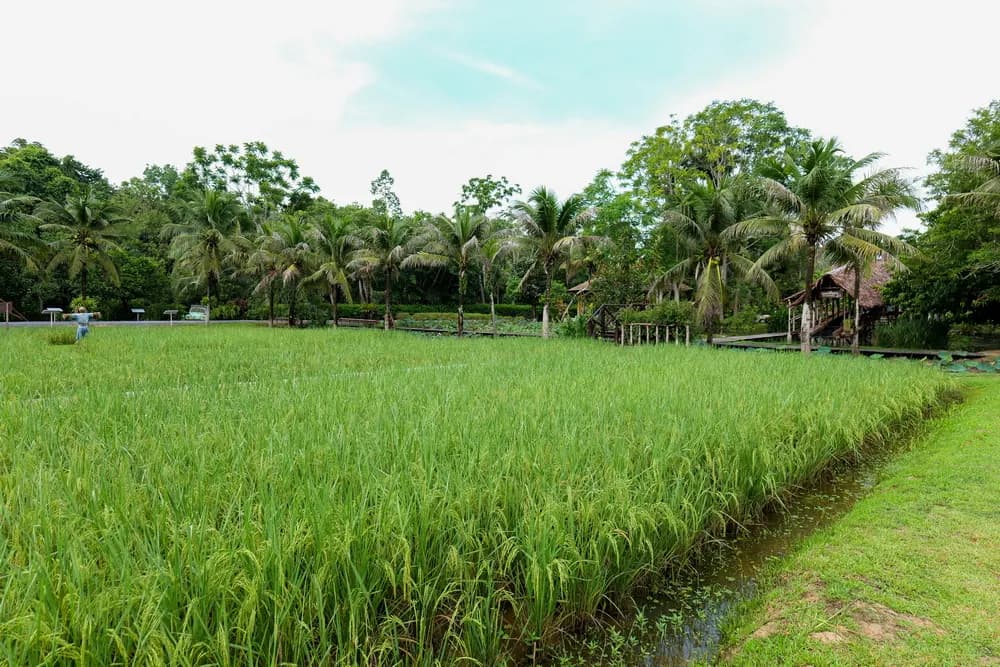
Many children - and adults - have little understanding of where food comes from. In an age of supermarkets and fast food, the connection between land, labor, and lunch has been lost. Farm-based educational tours restore that connection.
Students can learn about rice cultivation, the lifecycle of crops, sustainable farming practices, and the challenges facing agricultural communities worldwide. These lessons have relevance far beyond Thailand - food security and sustainable agriculture are global concerns.
The Science of Farming
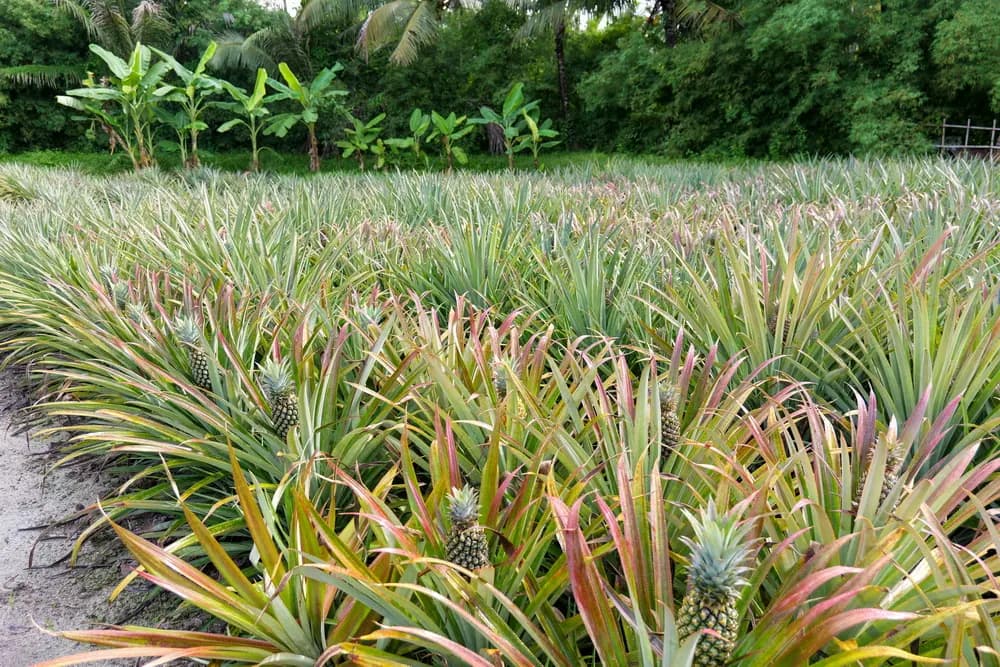
Agricultural tours naturally incorporate multiple subjects. Biology appears in understanding plant growth and animal husbandry. Chemistry emerges in soil composition and fermentation processes. Environmental science connects farming practices to broader ecological systems.
Cultural and Social Studies
Thai cultural experiencesprovide rich material for social studies education. Students learn about different social structures, religious practices, economic systems, and ways of life. Comparing Thai culture to their own encourages critical thinking about cultural differences and similarities.
History comes alive at places with connections to Phuket's past.Heritage sites tell stories of tin mining, immigration, and colonial influence that shaped modern Thailand.
Environmental Education
Use the visit to ask questions about growing conditions, water use, and material processing. Ask staff which practices can be demonstrated on the date of your visit; do not assume renewable energy or certified organic production is part of the program.
Culinary Education
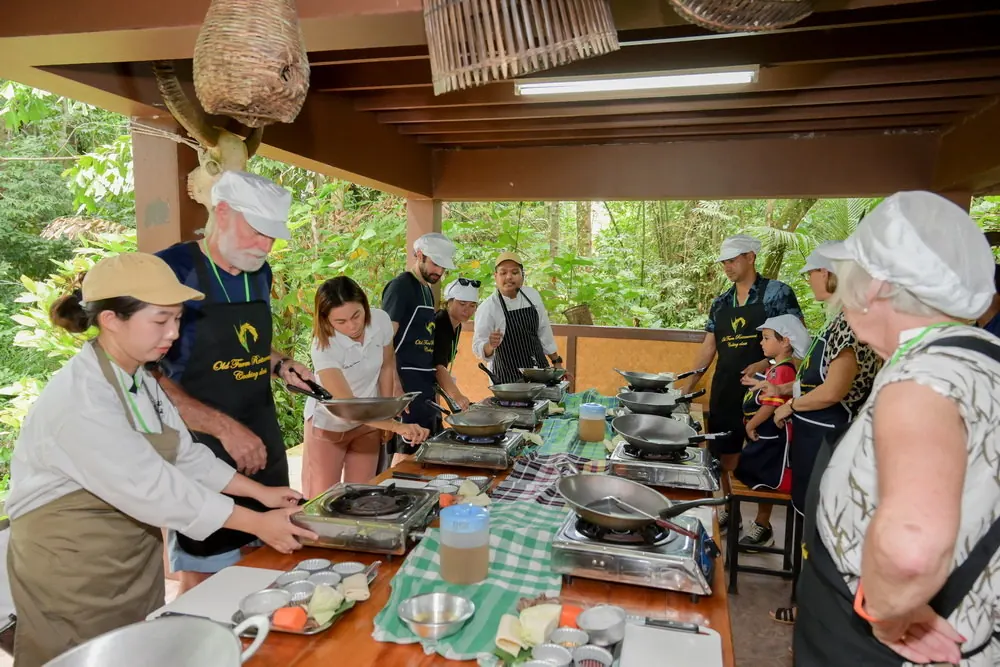
Cooking classesteach far more than recipes. Nutrition, food safety, cultural food practices, and the economics of food production all emerge naturally from cooking experiences. Students learn practical life skills while exploring cultural cuisine.
The farm-to-table approach - harvesting ingredients before cooking them - reinforces lessons about food origins and freshness. Students who participate often become more adventurous eaters and more conscious consumers.
School Group Tours
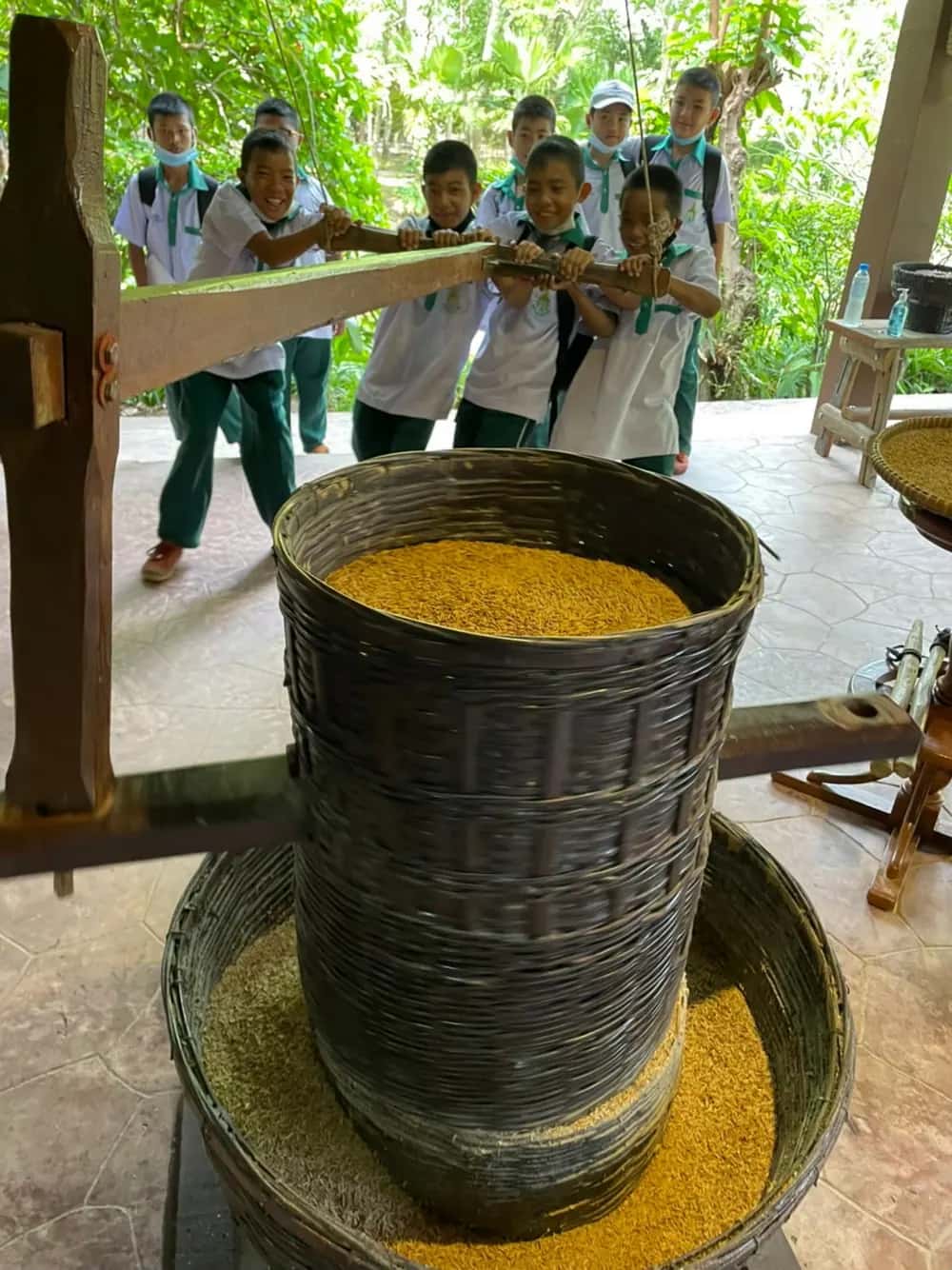
Educational facilities can accommodate school groups of various sizes. Advance booking allows customization of programs to align with curriculum requirements. Teachers receive supporting materials and guides work with educators to maximize learning outcomes.
When arranging a group visit, discuss learning objectives, the activities available, supervision, language, time for questions, and any access needs. Confirm these arrangements with the farm before finalizing the trip.
Family Educational Tours
Educational tours aren't just for school groups. Families seeking meaningful vacation experiences find that learning activities bring everyone together while creating lasting memories. Parents often learn alongside children, making the experience genuinely shared.
Family-oriented programsbalance educational content with fun, ensuring children remain engaged rather than feeling they're in school while on vacation.
Learning Outcomes
Effective educational tours produce measurable outcomes. Students gain factual knowledge about subjects covered. They develop practical skills through hands-on activities. Perhaps most importantly, they cultivate attitudes - curiosity, respect for different cultures, environmental awareness - that shape future behavior.
The impact extends beyond the visit itself. Students who connect emotionally with subjects through experience become lifelong learners in those areas. A child who falls in love with farming during a tour may pursue agricultural science. One who connects with Thai culture might study languages or international relations.
Planning Educational Visits
For educators and families planning educational tours, consider: What are your learning objectives? What age group are you planning for? How much time do you have? What follow-up activities will reinforce learning?
Contact educational facilities in advance to discuss your goals. Good providers customize experiences and provide pre-visit materials that prepare participants for maximum benefit.
The Value of Experiential Learning
In an age of screen-based learning and virtual experiences, physical engagement with the real world becomes increasingly precious. Educational tours in Phuket offer something that online learning cannot - the smell of soil, the texture of rice plants, the sound of farm animals, the taste of freshly prepared food.
These sensory-rich experiences create neural pathways that enhance memory and understanding. When we say students "will never forget" these experiences, that's literally true - experiential learning creates stronger, more durable memories than passive instruction.
Ready to Experience Old Phuket Farm?
Book your authentic Thai experience today and create memories that last a lifetime. We offer cooking classes, farm tours, and cultural activities for all ages.