Experiencing Thai Culture in Phuket: Participation and Etiquette
A Thai culture experience is an opportunity to listen, ask questions, and learn through participation. At Old Phuket Farm, agricultural and food activities provide a starting point. This guide focuses on respectful interaction and cultural context, including the difference between a visitor demonstration and daily life.
Understanding Thai Cultural Values
Thailand's culture is built upon centuries of tradition, blending Buddhist philosophy with animist beliefs and a profound respect for family and community. When you participate in an authentic cultural experience, you begin to understand why Thailand is often called "the Land of Smiles" - it's not just tourism marketing, but a reflection of the Thai concept of "sanuk," the importance of finding joy and fun in everything you do.
Hands-On Cultural Immersion
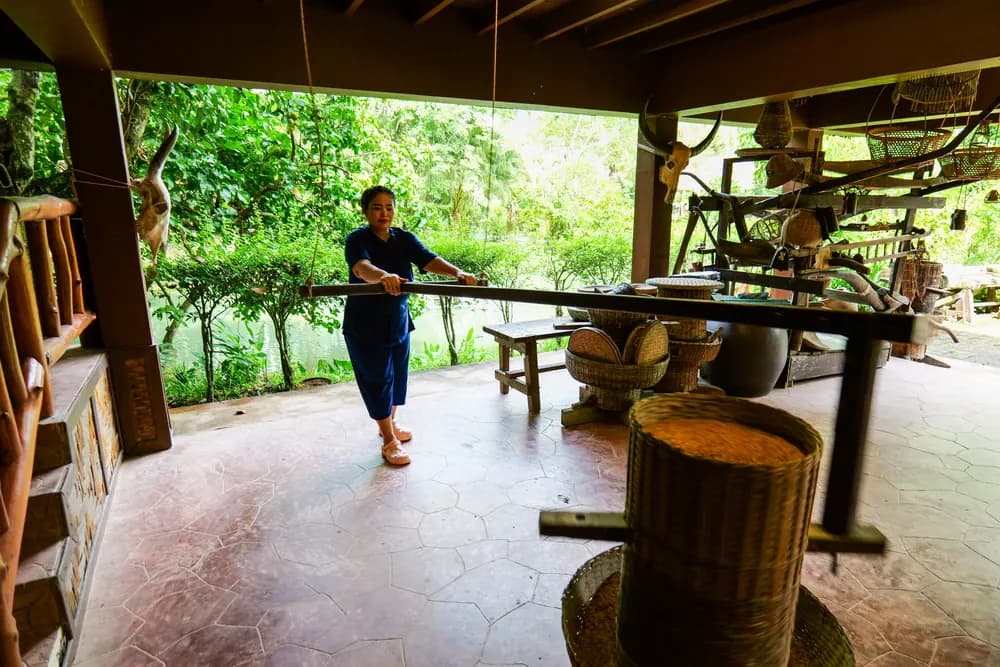
The best way to understand a culture is through participation, not observation. In Phuket, visitors can engage in activities that Thai families have practiced for generations. This might mean learning to cook traditional dishes using recipes passed down through families, trying your hand at traditional crafts, or simply sitting down for tea with local elders who share stories of the old days.
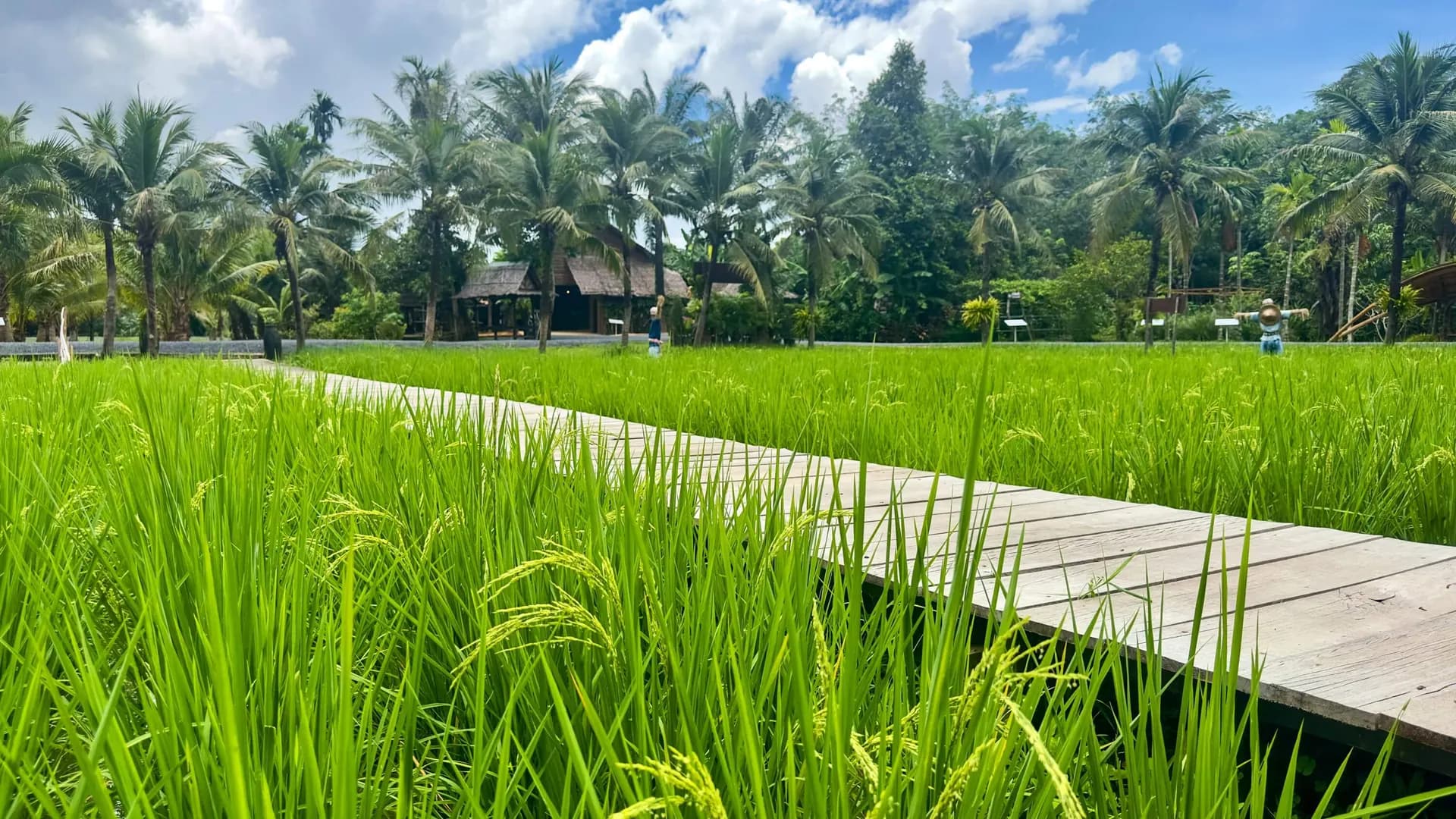
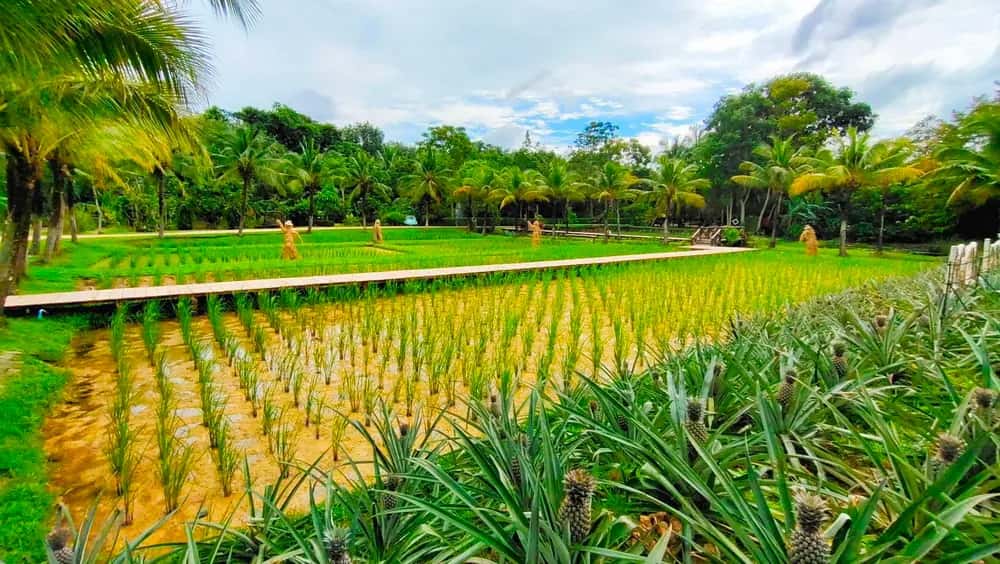
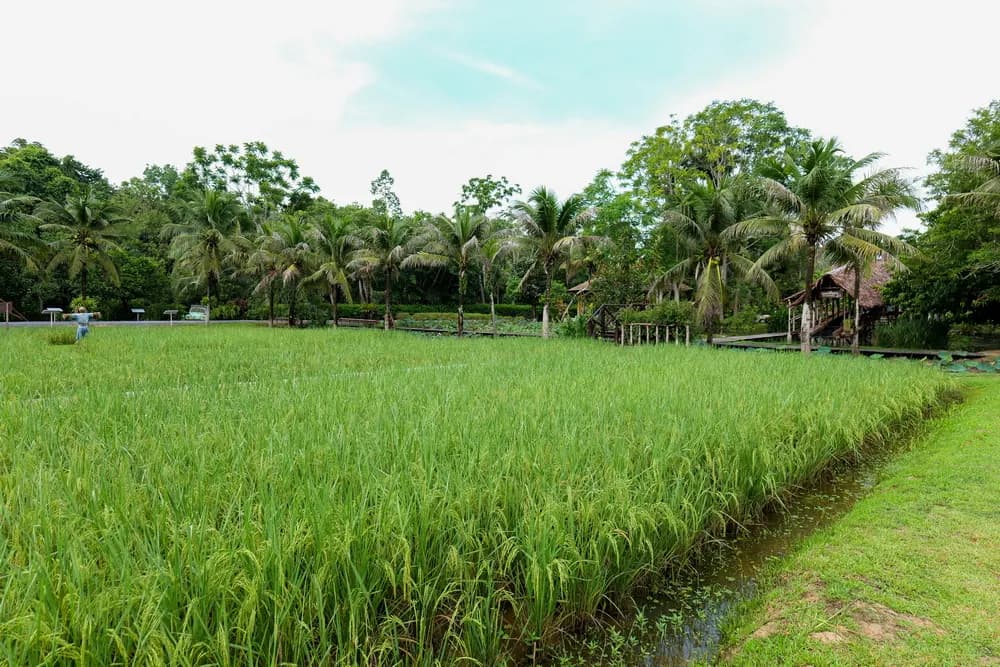
One experience that particularly stands out is rice farming. While it might seem simple, working in the paddies - feeling the cool mud between your toes, understanding the backbreaking work that produces each grain of rice - gives you a profound appreciation for the food on your plate and the farmers who produce it.
Traditional Ceremonies and Rituals
Thai culture is deeply spiritual, with ceremonies marking important life events and transitions. Visitors can witness or participate in morning alms-giving to Buddhist monks, learn about the significance of spirit houses found outside nearly every Thai building, or understand the importance of merit-making in Thai Buddhist practice.
The Art of Thai Cooking
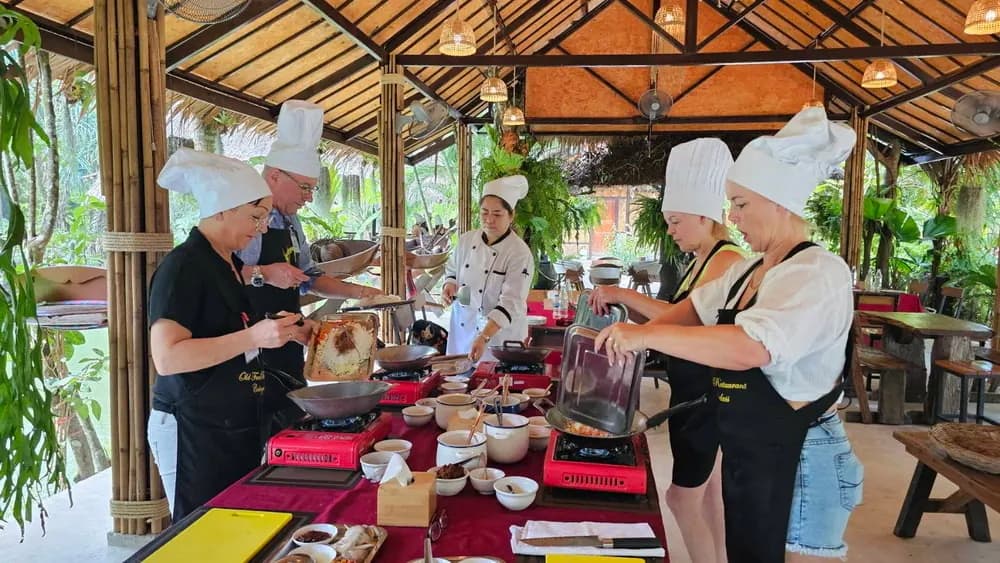
Food is central to Thai culture, and there's no better way to experience this than through a Thai cooking class. But this goes beyond simply following recipes - it's about understanding the balance of flavors that defines Thai cuisine, the importance of fresh ingredients, and the communal nature of Thai meals.
In Thai culture, meals are shared family-style, with dishes placed in the center of the table for everyone to enjoy. This reflects the Thai values of generosity and community. When you learn to cook Thai food, you're not just acquiring recipes - you're learning a way of bringing people together.
Connecting with Local Life
Perhaps the most meaningful aspect of a Thai culture experience is the connections you make with local people. Thais are remarkably welcoming to visitors who show genuine interest in their way of life. A simple "sawadee krap" or "sawadee kah" (hello) accompanied by a proper wai goes a long way.
Take time to visit local markets, chat with vendors (many speak basic English), and observe daily life. You'll notice how Thais interact with each other - the respect shown to elders, the playfulness with children, and the easy laughter that punctuates conversations.
Beyond the Tourist Trail
While temples and tourist shows have their place, authentic cultural experiences often happen in unexpected places. A conversation with a tuk-tuk driver about his family. Watching a grandmother prepare sticky rice in the traditional way. Observing a group of monks collecting alms at dawn.
These moments can't be scheduled or purchased, but they're more likely to happen when you step off the beaten path and into genuine Thai communities.Exploring Phuket's interioropens up these possibilities.
Cultural Etiquette Tips
To make the most of your Thai culture experience, understanding basic etiquette is essential. The Thai monarchy is deeply revered - never make disrespectful comments about the royal family. Remove shoes when entering homes and temples. Don't point your feet at people or Buddha images. Dress modestly when visiting religious sites.
Most importantly, maintain your composure. Thais value "jai yen" (cool heart) and avoid public displays of anger or frustration. A smile and patience will serve you well in any situation.
Making Meaningful Memories
A Thai culture experience isn't about checking boxes on a tourist itinerary. It's about opening yourself to new ways of seeing the world, understanding that different doesn't mean lesser, and bringing home not just photos but genuine understanding.
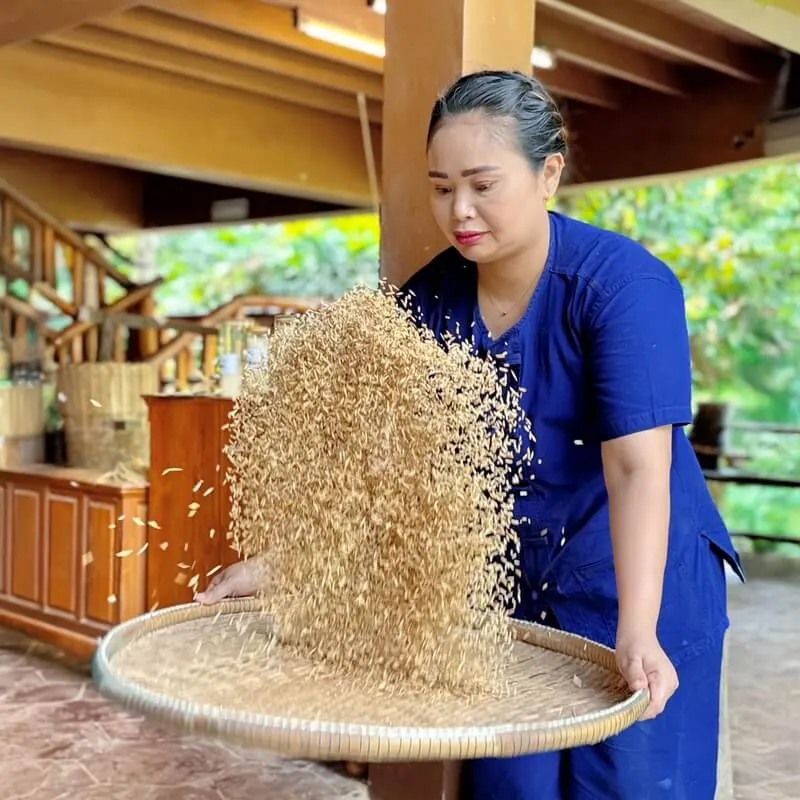
When you leave Phuket with knowledge of how to properly prepare a Thai curry, an appreciation for the labor that goes into rice farming, or memories of laughter shared with local families, you've experienced something far more valuable than any souvenir shop could offer.
Ready to Experience Old Phuket Farm?
Book your authentic Thai experience today and create memories that last a lifetime. We offer cooking classes, farm tours, and cultural activities for all ages.