Thai Curry Cooking: Paste, Coconut Milk, and Seasoning
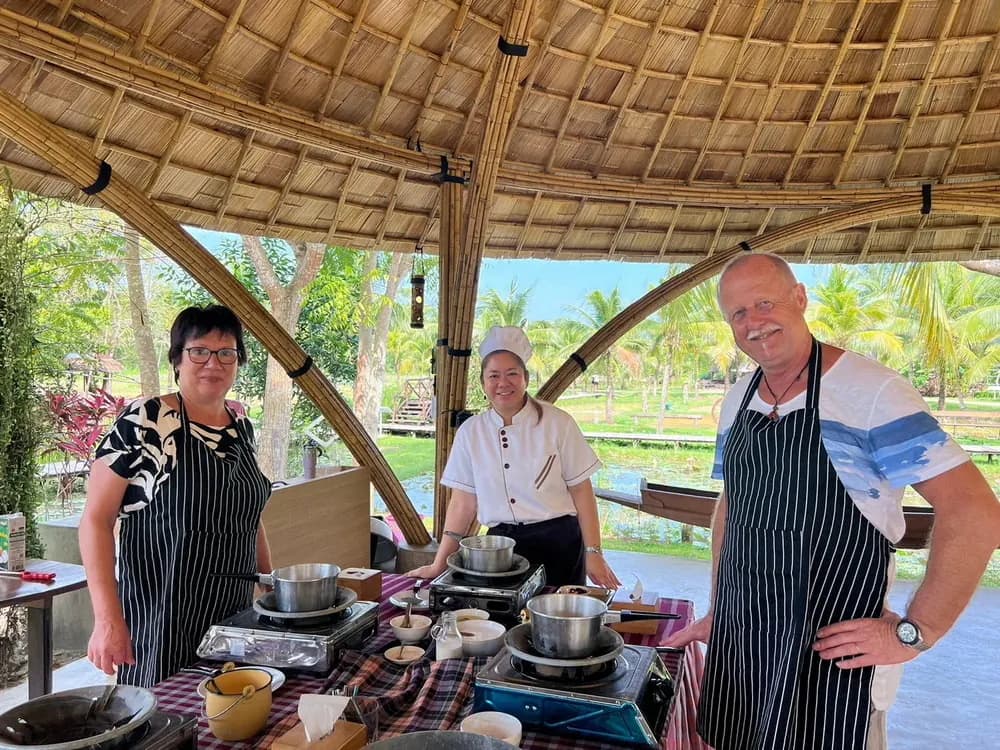
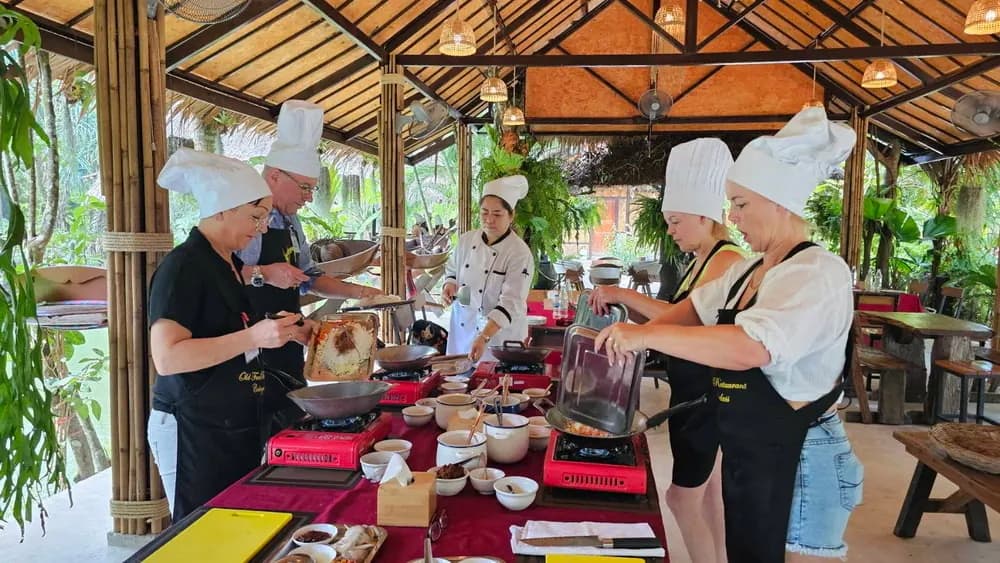
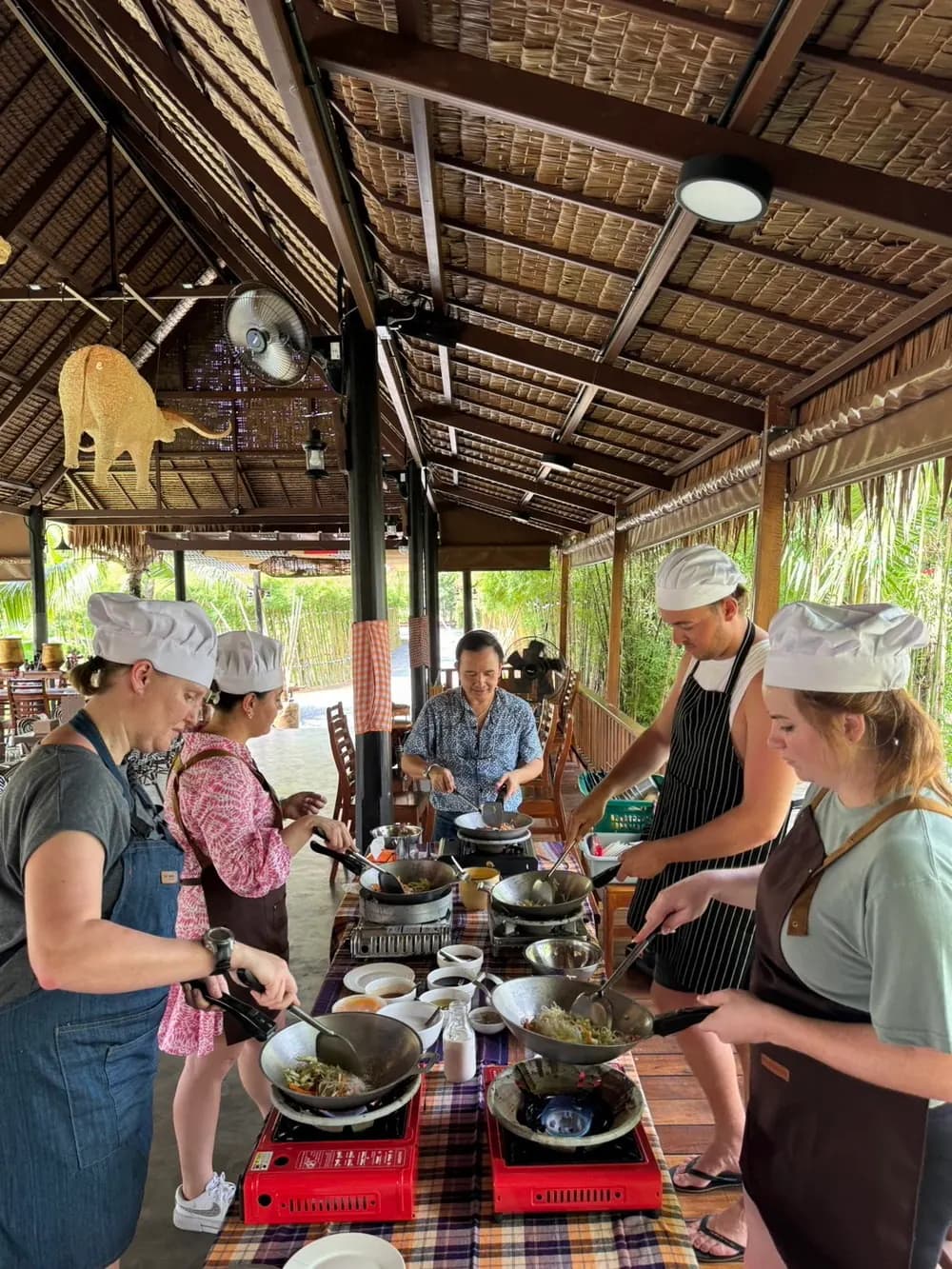
Thai curry cooking brings together ingredient preparation, curry paste, coconut milk, and careful seasoning. At Old Phuket Farm, Panang curry is part of the published cooking class menu. This guide explains the techniques to watch and the questions to ask while you learn.
Why Make Curry from Scratch?
Let's be honest: jarred curry paste is convenient. But taking a Thai curry cooking class reveals what you've been missing. The aromatics in fresh curry paste are vibrant and complex. The texture is silkier. The flavors are brighter.
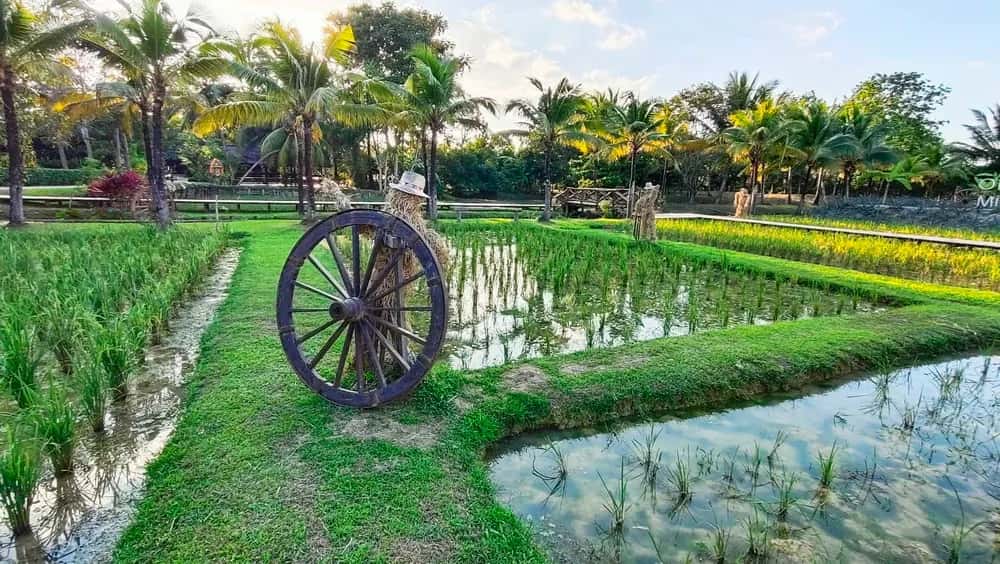
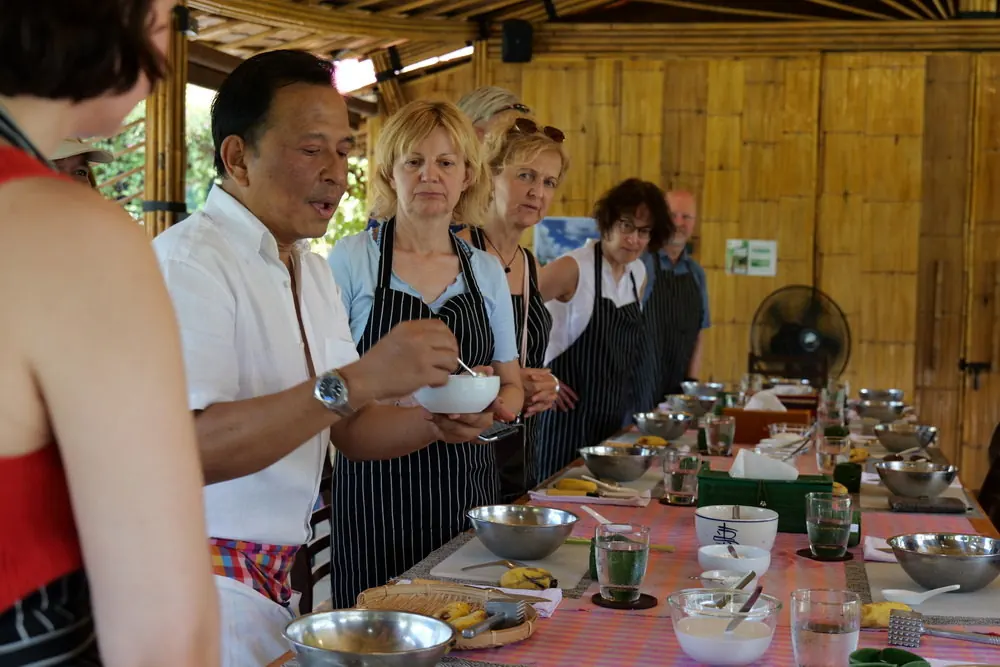
At Old Phuket Farm, our curry classes start in the herb garden, where you'll harvest the ingredients yourself. By the time you sit down to eat, you'll understand every element that went into your curry.
Understanding Thai Curries
Green Curry (Gaeng Keow Wan)
The freshest and most aromatic of Thai curries. Green chilies, Thai basil, and kaffir lime give it that distinctive bright flavor. It's called "sweet" (wan) because it's milder than some other curries - but don't expect it to be mild!
Red Curry (Gaeng Phet)
Dried red chilies give this curry its color and a deeper, earthier heat. It's perhaps the most versatile Thai curry, equally delicious with chicken, beef, duck, or seafood.
Yellow Curry (Gaeng Karee)
Indian-influenced with turmeric and cumin, yellow curry is the mildest and creamiest. It's particularly popular in Southern Thailand and often served with potatoes.
Massaman Curry
A rich, complex curry with Persian influences - cardamom, cinnamon, and peanuts give it a unique character. Often considered a "special occasion" curry.
The Curry-Making Process
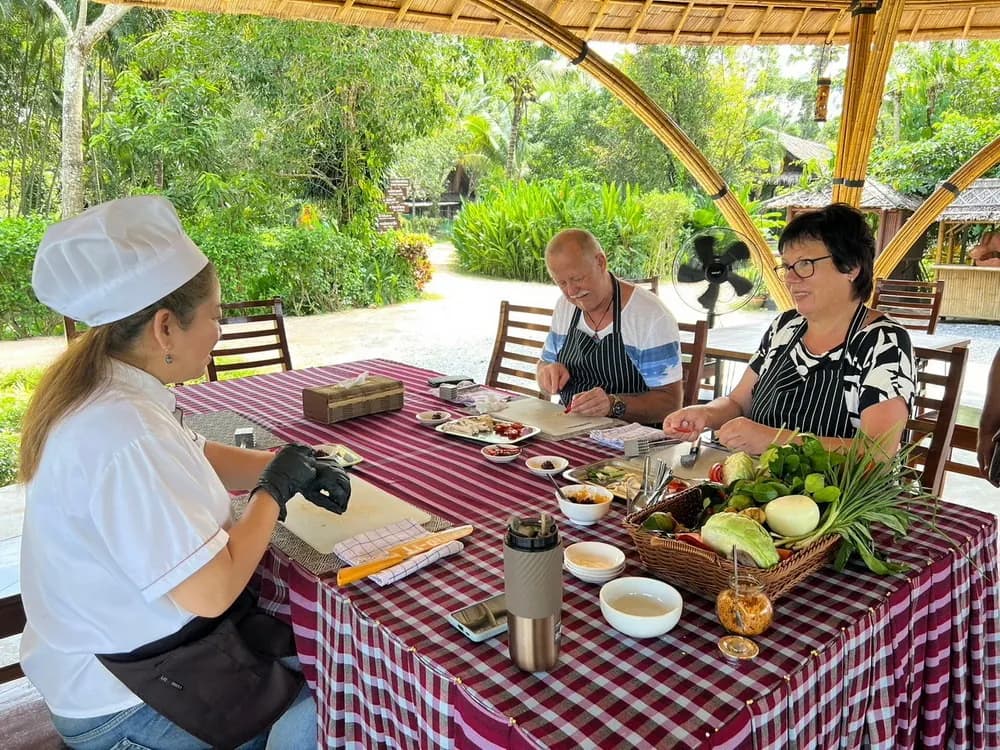
In our Thai curry cooking class, you'll learn the complete process:
1. Ingredient Preparation
Each element is prepared carefully - galangal thinly sliced, lemongrass tender parts only, chilies deseeded (or not, depending on your spice tolerance).
2. Pounding the Paste
This is where the magic happens. The mortar and pestle extracts oils and creates a smooth paste that no blender can match. It's a workout - but satisfying!
3. Frying the Paste
Paste meets hot coconut cream in a sizzle of aromatics. This step develops flavor through the Maillard reaction and releases the essential oils.
4. Building the Curry
Protein, vegetables, seasonings, and remaining coconut milk are added in sequence. The order matters - each element needs the right amount of cooking time.
Beyond Basic Curry
You'll learn why fish sauce is essential (and how much to use), the role of palm sugar in balancing heat, and how to adjust a curry that's too spicy, too salty, or too sweet.
What You'll Take Home
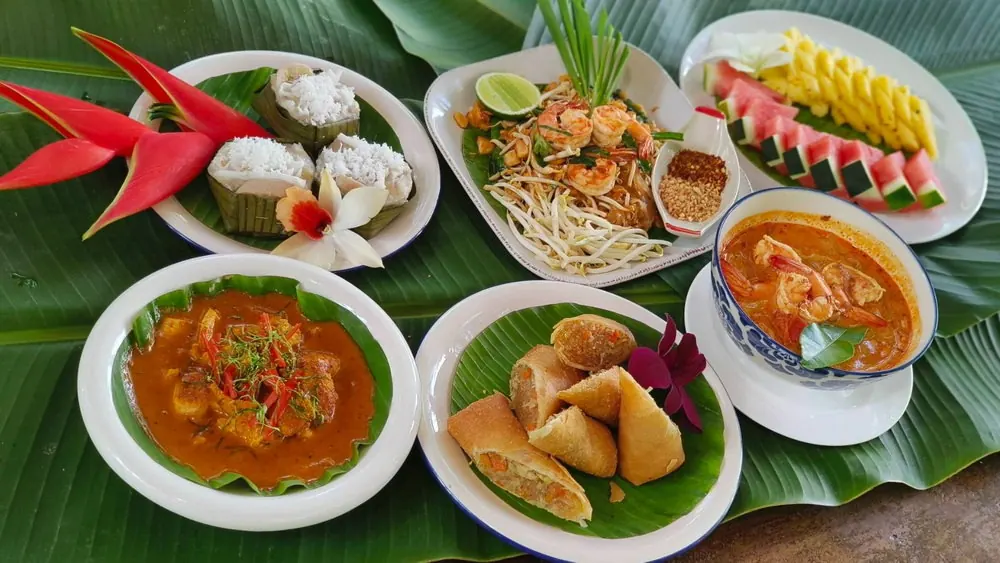
Every participant in our Thai curry cooking class receives detailed recipe cards for recreating the curries at home. We also share tips for sourcing ingredients and making substitutions when necessary.
More importantly, you'll leave understanding the principles behind Thai curry - so you can improvise, adjust, and create your own variations with confidence.
Ready to discover what Thai curry should really taste like? Book your curry cooking class and taste the difference that fresh makes.
Ready to Experience Old Phuket Farm?
Book your authentic Thai experience today and create memories that last a lifetime. We offer cooking classes, farm tours, and cultural activities for all ages.